The B2B Friction Tax
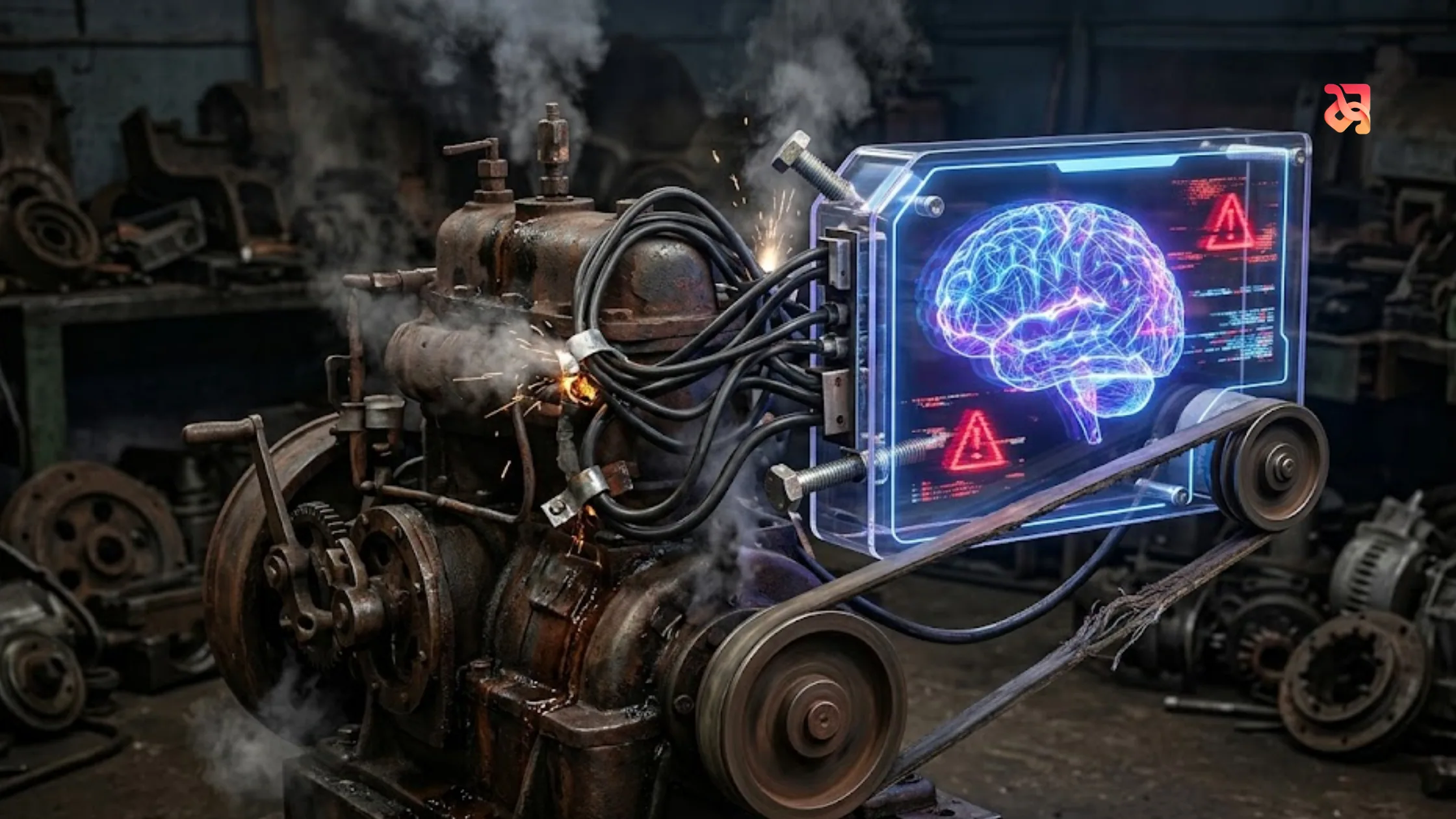
B2B commerce in 2026 still runs on email chains, supplier portals with three-day-old inventory data, and a phone call to check whether the price on the website is in fact the price. A procurement manager who needs five hundred units sends an RFQ on Monday morning. The supplier's sales rep checks inventory, consults the pricing matrix, requests margin approval, and responds on Thursday afternoon. Consumers can buy nearly anything with one tap on a phone, and business buyers are still waiting half a working week for a number.
Every previous attempt to remove that friction has failed for the same reason. EDI promised frictionless B2B decades ago and underdelivered. Procurement platforms promised it again and produced a different category of compromise. The wall they keep hitting is the same: a six-figure purchase decision still requires human judgement, and removing the human collapses the trust that makes the transaction commercially possible. Keep the human in the loop and the friction stays. Take them out and the deal stops happening at all.
Inter-RIBA solves this by keeping humans in control while eliminating the friction between them.
“We've tried three procurement automation platforms. They all failed because they couldn't solve the trust problem. You can't take humans out of a six-figure purchase decision. But you can take the waiting out.”
What the Buyer and Seller Actually See
A distributor's RIBA notices inventory for a fast-moving product is approaching reorder level. It formulates a structured intent: a machine-readable request for quote with exact specifications, quantities, and delivery requirements. This transmits to the supplier's RIBA through the Inter-RIBA protocol.
The supplier's RIBA receives the intent, checks real-time inventory, calculates pricing based on current costs and the relationship's volume history, and prepares a structured response. The supplier's sales manager sees the incoming request alongside RIBA's recommendation and approves with one click. The response flows back. The buyer's procurement manager reviews the offer, sees RIBA's analysis comparing it to alternatives, and approves. Done. Minutes, not days.
The seller's experience is equally transformed. Instead of a sales rep manually checking stock, pulling up the customer's pricing tier, and getting margin approval from their manager, RIBA assembles everything before the human even opens the request. The manager sees the recommendation, the margin analysis, and the relationship context. One decision, fully informed.
- Structured intents: quote requests, availability checks, support queries, all in a machine-readable format both sides understand
- Dual approval: the buyer's human and the seller's human each approve every transaction independently
- Graduated trust: starts at level zero with full human approval, earns higher autonomy through proven reliability
- Full audit trail: every intent, response, evaluation, and approval logged immutably on both sides
Trust That Starts at Zero
Inter-RIBA's trust model is graduated. When two organisations first connect, trust is zero. Every interaction requires explicit human approval on both sides. No exceptions. As the relationship proves reliable, routine interactions can graduate to notification-only. Your procurement team gets notified that a standard reorder was processed rather than approving each one manually.
High-value transactions never graduate past human approval. A six-figure purchase order will always require a human decision on both sides, regardless of how long the relationship has been running. This isn't a limitation. It's the design. The protocol respects that trust in B2B commerce is earned incrementally, transaction by transaction. We make the philosophical case for the graduated-trust model in our piece on progressive autonomy.
No competitor has built this because it requires organisational omnipotence on both sides of the transaction. The buyer's AI needs full context about inventory, usage patterns, and budget constraints. The seller's AI needs full context about capacity, pricing tiers, and relationship history. Point solutions that see one department can't power AI-to-AI commerce. They don't have enough context to formulate a meaningful intent or evaluate an incoming one. The ACM Communications coverage of autonomous trading systems has tracked how every previous attempt at machine-to-machine commerce failed on exactly this context-depth requirement. To run Inter-RIBA on your own commercial pipeline, get early access.