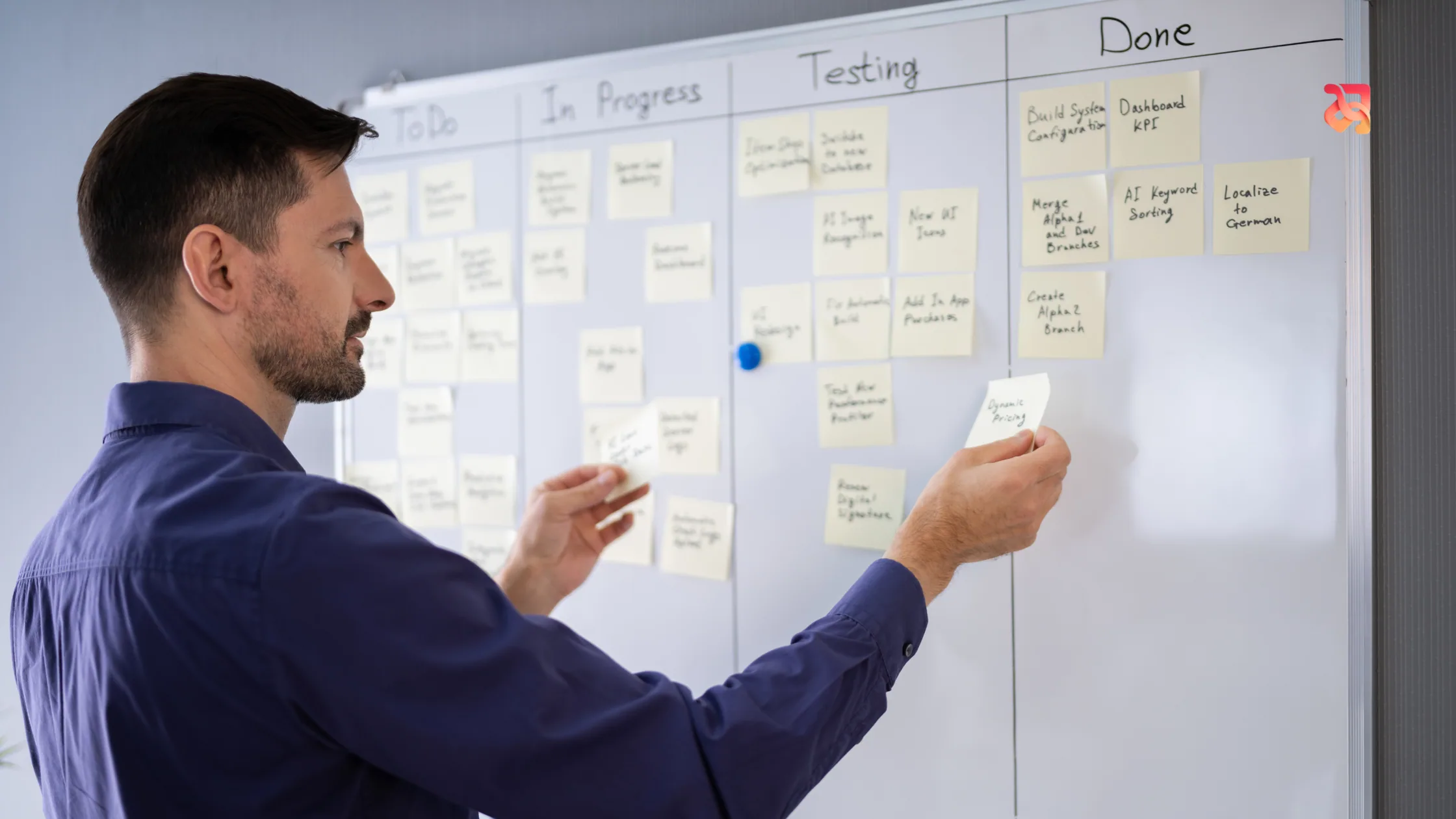
Quarterly roadmap cycles exist for a structural reason. The cross-functional signal feeding the roadmap, what sales heard in deals, what CS heard in renewals, what support heard in tickets, arrives in batches that line up with QBRs rather than with the actual cadence of the work. A product team cannot react continuously to signal that lands quarterly, so it does not try. Symbiotic Intelligence makes the signal continuous, and the roadmap shifts from a planning artefact into a live reflection of what the business is learning every day.
Why Quarterly Cadence Outlasted Its Reasoning
Quarterly cycles were a workaround for slow signal in the first place, and they survive long after the signal has gotten faster because the rituals built around them are familiar. Planning meetings still happen, decks are still produced, stakeholders still argue across them, and the product team commits to a quarter's worth of work based on signal that was already weeks stale by the time the planning even started.
Most product orgs sense the gap. They run mid-quarter reviews. They build feedback Slack channels. They ride along on sales calls. These are workarounds for the fundamental problem: the signal substrate was not continuous, so the planning ritual could not be either.
“We made the roadmap quarterly because the meetings were quarterly. Our customers were not on a quarterly cadence. Neither was our churn.”
The Loud Customer Versus the Quiet Cohort
Quarterly roadmaps are vulnerable to a specific bias: the loud customer. The product team hears most clearly from the customer who escalates, the customer with the executive sponsor on the call, the customer whose CSM is most senior. The signal from the long tail, the cohort that quietly disengages over a renewal cycle, never reaches the planning meeting. The roadmap correlates with who has the strongest voice rather than which decision moves the most retention. A nine to twelve month cycle from feature request to shipped feature compounds the bias: by the time the loud customer's request ships, the quiet cohort that needed something else has already churned.
Continuous signal corrects the bias structurally. Every customer's behaviour feeds the substrate at the same cadence. The cohort that uses three features and quietly disengages weighs alongside the executive sponsor's escalation. The product team sees the actual distribution of need rather than the loudest fraction of it. Decisions about what to build next reflect the business, not the meetings. Roadmap cycle time stops being the variable that matters; signal-to-build latency becomes the metric, and it shrinks from quarters to weeks.
What Continuous Signal Changes
When the signal substrate is continuous, the roadmap stops being a quarterly contract and becomes a continuously weighted view. The team still picks which items to commit to in any given cycle, but the prioritisation reflects what the business learned this week, not what it learned in the discovery sprint two months ago. Product, sales, CS, and support operate on the same underlying view of what customers are saying.
- Customer signal flows into the roadmap continuously, not in batches
- Cross-functional alignment is structural: every function reads from the same substrate
- Course corrections happen mid-cycle without political cost
- Outcome attribution back to roadmap items becomes possible in real time
What a Symbiotic Product OS Does
A Symbiotic Product OS reads from every customer-facing system and produces a continuously updated view of what the business is learning. The product team continues using its planning and analytics tools. The substrate sits above them and replaces the quarterly batch with a real-time stream. Planning meetings become shorter; alignment becomes structural; commitment becomes the function of evidence rather than political negotiation.
The architectural anchor is Symbiotic Intelligence, and the cross-functional cascade pattern is described in Self-Evolving Workflows. For the upstream view of why signal weighting matters, read the companion piece on the customer signal problem.
Why Now
The cost of building the wrong thing is rising. Engineering capacity is expensive; opportunity cost is higher than it has ever been. Product teams that can adapt continuously, with evidence, are the ones whose roadmap actually moves the business. From 2026 forward, the gap between continuously informed product orgs and quarterly-cadence orgs becomes the difference between compounding and stalling.
To see what continuous roadmap signal looks like against your current cycle, get early access or speak to our team. For the architectural depth, read Universal Pipeline Across Every Department.